

Ownership guidance · Freight & receiving
Ready for Delivery:
Receiving a Heavy
Equipment Attachment
A successful delivery starts before the truck turns into the driveway. Confirm access, arrange the right unloading method and have someone ready to inspect the shipment.
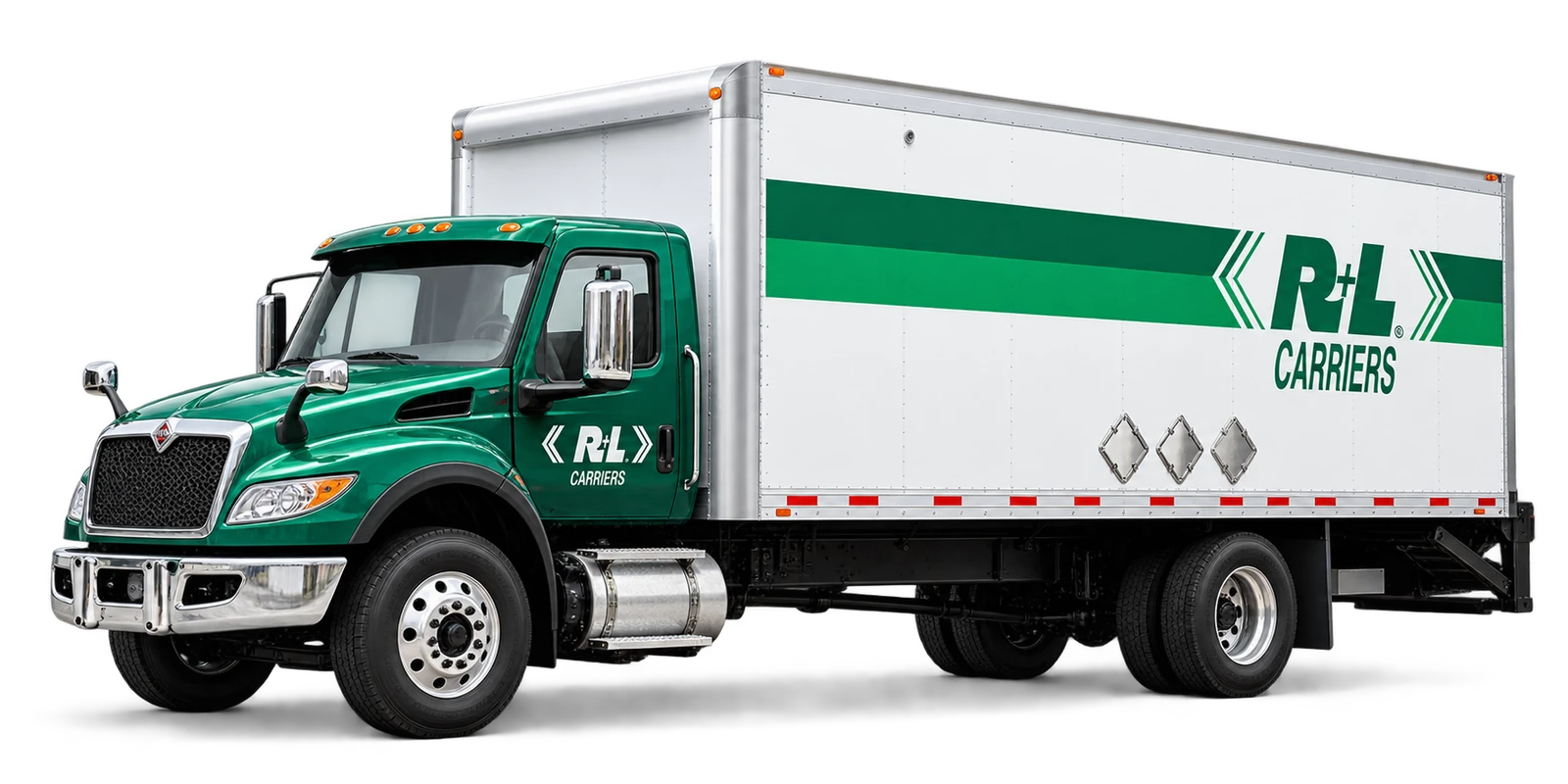
Plan the last step while placing the order.
Your new bucket, rake or thumb needs a clear route from the delivery truck to a stable receiving area. A correct address is only part of that plan. The carrier also needs to know what kind of property it is, how a truck can reach it and how the freight will be unloaded.
East Attachments works closely with R+L Carriers to coordinate attachment shipments, freight quotes and pickup and delivery details. Carrier selection follows the needs of the order and our Shipping & Pickup Policy. Share your receiving arrangements early so the quote reflects the service you actually need.
Give the carrier a usable destination.
Identify the location accurately: commercial yard, residence, farm or active construction site. Explain restricted hours, locked gates, narrow entrances, steep approaches, overhead obstructions and any limits on truck access. A route that works for a pickup truck may not work for the delivery vehicle.
Choose a firm, level unloading area with space for the agreed equipment and people to work clear of traffic. Loose gravel, soft ground and slopes can complicate freight handling. If access is questionable, discuss an alternate receiving location before dispatch rather than relying on the driver to improvise.
Match unloading equipment to the packed shipment.
Ask for the shipping weight and packed dimensions, including the pallet or skid. Do not plan from an attachment’s approximate product weight alone. The footprint, center of gravity and available pickup points also affect handling.
If you will unload with a forklift or other suitable equipment, have a qualified operator verify capacity for the actual load, reach and handling arrangement using the equipment manufacturer’s instructions. Confirm how the shipment can be accessed from the delivery vehicle. Keep people clear of suspended loads and never use bucket teeth or an unapproved improvised connection as lifting points.
A liftgate is a service to confirm, not an assumption.
A liftgate lowers freight between truck height and ground level. R+L Carriers currently lists a maximum of 2,000 pounds per pallet and a 48 × 60-inch pallet size on its Liftgate Service page. Those published limits do not establish that a particular attachment can be delivered by liftgate. Confirm the complete shipment and service with East Attachments before dispatch.
A wide bucket or heavy rake may need another unloading arrangement. Ground-level delivery also does not automatically include moving the attachment across the property, placing it inside a shop or installing it on your machine. Agree on those expectations before the truck arrives.
Have the receiving crew ready.
Provide a reachable contact and receiving hours. Keep tracking details available and communicate address or access changes immediately. Fabrication lead time and freight transit are separate stages; a transit estimate is not a confirmed delivery appointment. R+L’s bill of lading terms distinguish ordinary transportation from a schedule agreed in advance.
Have the unloading equipment, operator and inspection contact available for the confirmed arrangements. Inaccessible sites, missing equipment or an absent receiver can result in delays and additional carrier charges under the applicable service terms.
Inspect and document before the truck leaves.
- Match the shipment. Check the delivery information and count the pallets, packages and loose pieces against the paperwork.
- Look over the freight. Check accessible attachment surfaces, packaging, restraints and the skid for visible damage or signs of shifting. Inspect only from a safe position.
- Record specific concerns. Identify visible damage or shortages on the delivery record before signing. Ask the driver how exceptions are recorded in the carrier’s current process and retain a copy or exception reference.
- Take clear photographs. Capture the whole shipment, labels, packaging and close-ups of the affected area.
- Contact East Attachments promptly. Send the order details, delivery reference, photographs and description so the shop can assist with available documentation.
If damage is found after unpacking, report it to the carrier and East Attachments immediately. Preserve the freight and packaging for any requested inspection, and seek instructions before repairs or disposal. R+L’s loss and damage claims guidance calls for prompt reporting and supporting records. Reporting a concern is not the same as submitting a complete claim; follow the carrier’s current process and deadlines. Claim decisions remain with the carrier.
Your pre-delivery checklist.
- Complete address, ZIP code, property type and on-site phone number.
- Receiving hours, gate instructions and truck-access restrictions.
- Confirmed packed weight, dimensions and piece count.
- Agreed unloading method, suitable equipment and available operator.
- Any required liftgate or special service confirmed in the freight arrangements.
- Order and tracking details ready, with someone assigned to inspect and document receipt.
After receipt, compare the attachment and included components with the order before installation. Keep its supplied instructions with the machine records. If anything is missing, damaged or unclear, contact the shop before putting it into service.