

Buying guidance · Tree shears
Choosing an
Excavator Tree Shear
The right shear starts with your machine, the vegetation and the result you need. Use this guide to compare configurations and turn a general price request into a useful equipment conversation.
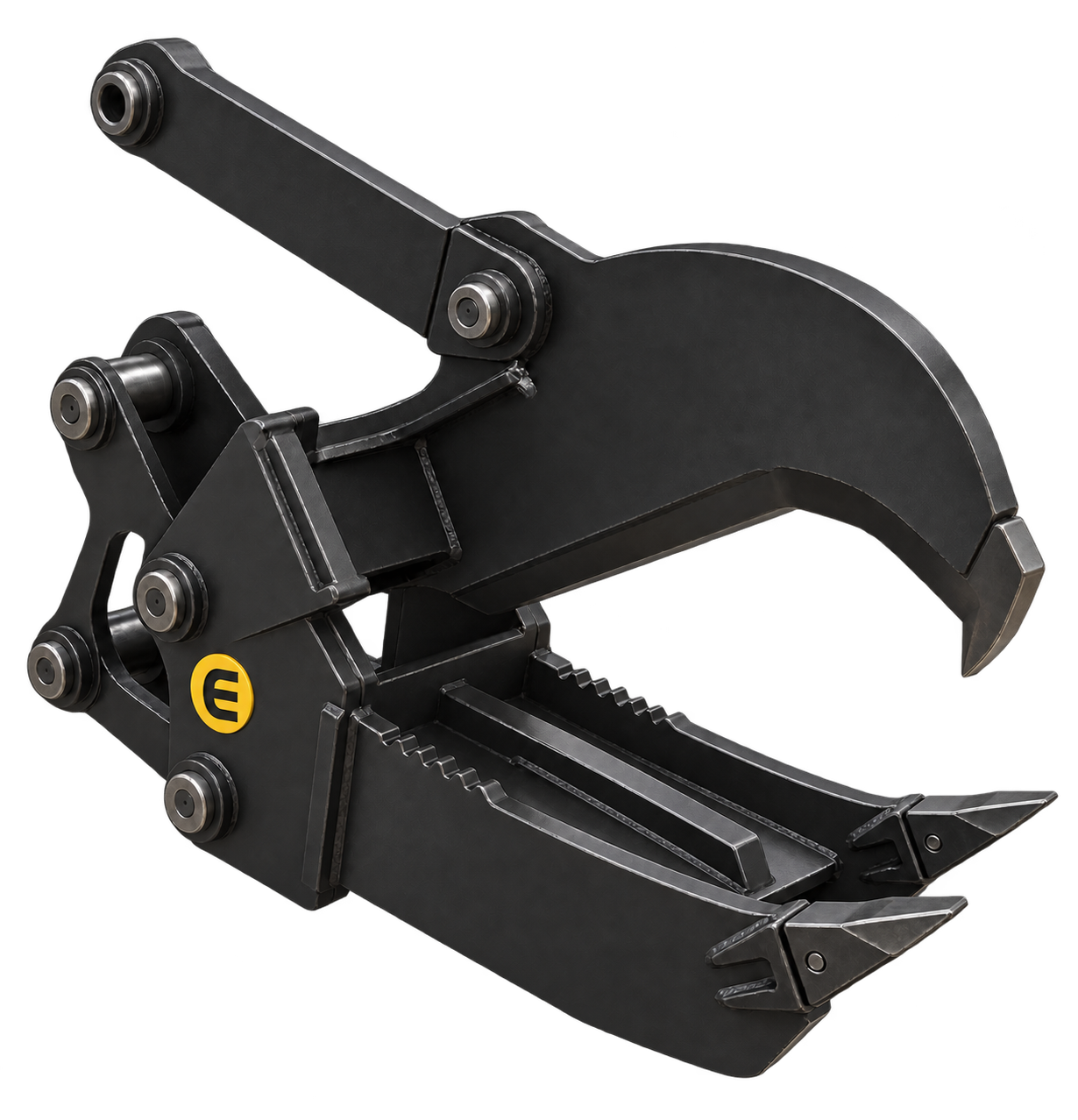
Choose around the task—not just the machine tonnage.
A tree shear is worth considering when cutting vegetation is the main task. Before comparing prices, describe whether you are managing repeated smaller growth, opening access or clearing a property for its next use.
Cutting, removing roots and handling cut material are different jobs. If the finished site must be free of stumps, include that requirement in the discussion. A shear purchase alone does not solve every stage of land clearing.
Explore the East Attachments tree shear to review the available configurations and begin a machine-specific inquiry.
Watch before you inquire
Manual tree shear demonstration.
Watch the existing field demonstration to see the manual configuration in use. Compare the material and working space with your own project, then tell the shop where your application differs.
The footage demonstrates one setup. It is not a universal cutting-capacity rating or a substitute for operating instructions for your machine and attachment.
Manual or hydraulic: what should you ask?
East Attachments offers both configurations. Start by identifying the excavator and the work rather than assuming one option is right for every property. The video above shows the manual version; ask the shop to explain the operation and installation requirements of the configuration being quoted.
For a hydraulic option, provide the available auxiliary hydraulic specifications and connection details. Ask the shop to confirm compatibility and identify any additional equipment needed. Do not assume that an existing auxiliary circuit makes every hydraulic attachment compatible.
Give a realistic picture of the vegetation.
Share the typical stem diameter and the largest material you expect to encounter, measured at the intended cutting location. Include the species where known, whether the material is living or dead, and photos that show scale.
Those details help the shop assess the application. A machine weight range or a video clip cannot establish a guaranteed cutting diameter for your setup. Request confirmation for the actual combination of carrier, shear and material before ordering.
Plan what happens after the cut.
If the next task is sorting and moving loose branches or logs, discuss a grapple rake or an appropriately matched thumb. If root and stump removal is also required, compare a stumper. These are separate functions, so specify the end result you need rather than buying solely for the first step.
Compare the complete quote.
Confirm the manual or hydraulic configuration, mounting arrangement, selected options and any requested custom modifications. The listed tree shear options include exchangeable teeth and black or yellow paint. Pins are sold separately, so identify whether you need them included as a separate quote item.
Ask for freight to your ZIP code or shop pickup, the current build estimate and the fitment information needed before fabrication. Published lead times are estimates; confirm timing with the shop for your project. Review the written weld warranty alongside the supplied configuration.
A useful first inquiry takes six details.
- Excavator make and model, plus the coupler or pin-on arrangement.
- Manual or hydraulic preference—or a request for help choosing.
- Typical and maximum vegetation diameter, species where known, and reference photos.
- What must remain after the work: cut vegetation only, cleared debris or removed stumps.
- Available auxiliary hydraulic information when considering a hydraulic configuration.
- Delivery ZIP code or pickup preference and your target timeline.
You can start without every mounting measurement. The team can identify what is still needed; use the measurement guide when preparing final fitment details.